
DONATE TODAY

BACK TO BRIO LIVING SERVICES

UMRCPH Foundation

Contact Foundation Today
East: 734.433.1000 ext. 7502
West: 616.577.2297

Donate now
  • Home
  • About
    • Team Members
    • Mission
    • Board
    • History
  • News and Events
    • In the News
    • Upcoming Events
    • Publications
    • Press Releases
    • Annual Report
  • Blog
  • Donor Stories
    • Testimonials
  • Donate Now
    • Priority Fundraising Initiatives
    • How We Support Our Team Members
    • Ways to Give Now
    • Donate Online
    • Estate Giving
    • Receive Income Now and Save Taxes
    • Gift of Real Estate
    • Legacy Society
  • Contact Us
  • Live Life with Brio
  • Home
  • About
    • Team Members
    • Mission
    • Board
    • History
  • News and Events
    • In the News
    • Upcoming Events
    • Publications
    • Press Releases
    • Annual Report
  • Blog
  • Donor Stories
    • Testimonials
  • Donate Now
    • Priority Fundraising Initiatives
    • How We Support Our Team Members
    • Ways to Give Now
    • Donate Online
    • Estate Giving
    • Receive Income Now and Save Taxes
    • Gift of Real Estate
    • Legacy Society
  • Contact Us
  • Live Life with Brio

Stress Awareness Month: Finding Balance and Building Resilience

Each April, Stress Awareness Month encourages us to pause and take a closer look at how stress affects our daily lives—and what we can do to manage it. At Brio Living Services, we believe that understanding and managing stress is an essential part of healthy, independent living at any age.

Understanding Stress and Its Impact

Stress is a natural response to life’s challenges, but when it becomes chronic, it can impact both physical and emotional health. From disrupted sleep and fatigue to increased risk of conditions like heart disease and anxiety, unmanaged stress can take a serious toll over time. Read on for tips on how to manage stress!

Everyday Strategies for Stress Management

Managing stress doesn’t require a complete lifestyle overhaul. Small, consistent habits can make a big difference:

  • Stay active: Gentle movement like walking, stretching, or yoga can help release tension and boost mood. Most Brio communities or services offer wellness centers or fitness equipment for your use!
  • Practice mindfulness: Deep breathing, meditation, or simply taking a few quiet moments each day can help calm the mind. If you live at a Brio community, or attend a PACE (Program of All-Inclusive Care for the Elderly) Day Center, there are often meditation or yoga classes offered weekly.
  • Prioritize sleep: Quality rest is essential for both mental clarity and physical health. Minimizing screen time before bed and having a consistent nightly routine are two easy tips for better sleep.
  • Stay connected: Talking with friends, family, or neighbors can provide comfort and perspective. This could be as simple as a FaceTime call with a loved one, going to church, volunteering, or scheduling a lunch with someone you haven’t seen in a while.
  • Furry friends: Studies show that time with our pets can also manage stress! Taking the dog for a walk or simply sitting in a cozy spot with your cat can bring great comfort. This is one of the many reasons that most Brio Living Services communities are pet-friendly!

You Don’t Have to Manage Stress Alone

One of the most powerful ways to reduce stress is through connection. Being part of a supportive community of people can create a sense of peace and provide reassurance during challenging times.

Brio Living Services empowers residents, participants, elders, and team members with access to resources, guidance, and a network of support designed to help navigate life’s transitions with confidence. Stress Awareness Month is a reminder that caring for yourself is not a luxury—it’s a necessity. Learn more about living life vibrantly with Brio at our website.

This blog is sponsored by Huntington Bank, our Live Life with Brio Campaign Platinum Sponsor. Thank you for your generous support! Your gift means the world to the older adults we serve and our team members.


Jackie Taylor: A Life of Opening Doors

During National Women’s History Month in March, we are delighted to feature long-time friend and board member, Dr. Jacqueline “Jackie” Taylor for all she does to “create a better world for aging.”

Dr. Jacqueline “Jackie” Taylor is the epitome of a lifelong learner. She earned her undergraduate degree, one class at a time, when her sons were in middle school, and completed her Ph.D. while they were in college. “I’ll never forget my son saying, ‘Mom, thank you for not quitting,’” says Jackie.

Throughout her career, Jackie has inspired and mentored students—as the first female vice president at Lansing Community College and Vice President/Provost of Davenport University. She established international educational partnerships and launched the first middle college in Pennsylvania for at-risk high school students.

In 2016, Jackie was invited to join the Porter Hills Foundation board by friends Sharon Buursma and Dick Young, the Foundation’s first president. “Since I had been involved in education, this gave me a different part of life where I could be helpful,” says Jackie. “It broadened my viewpoint.”

During her tenure on the Foundation Board, Jackie saw the affiliation of Porter Hills and United Methodist Retirement Communities (UMRC) in 2019 (now Brio Living Services) and served as co-chair of the Foundation board when the Porter Hills and UMRC Foundations joined together in 2021. “With a fresh perspective, we opened the pathways of communication so the Foundation could best partner with and support the overall organization.”

Jackie’s term on the Foundation Board ended in 2024, but she immediately joined the Brio Living Services Board of Trustees. “Serving the Brio corporate board gives me a broader insight into the organization,” says Jackie. “I can still bring the energy and knowledge of the Foundation, and it enables me to be a better ambassador of the work we do at Brio.”

She is also a member of the Live Life with Brio Campaign Cabinet. “It is my responsibility and my honor to represent our organization and work to build it for the future,” says Jackie. “I want to do my part to support [the campaign] and help create a better world for aging.”

Among her many honors over the years, this fall Jackie was inducted into the Michigan Women’s Hall of Fame, the highest honor a woman can achieve in Michigan. Jackie continues to provide her expertise at Pondera Advisors, a leadership consulting practice. She describes her career, not as work, but as “a life of opening doors to help individuals be the best they can be.”

Learn more about ways you can help support Brio Living Services and the UMRC-Porter Hills Foundation.

This blog is sponsored by Ziegler, a Live Life with Brio Bronze Sponsor! Your thoughtful gift brings joy to the older adults we serve and our team members.



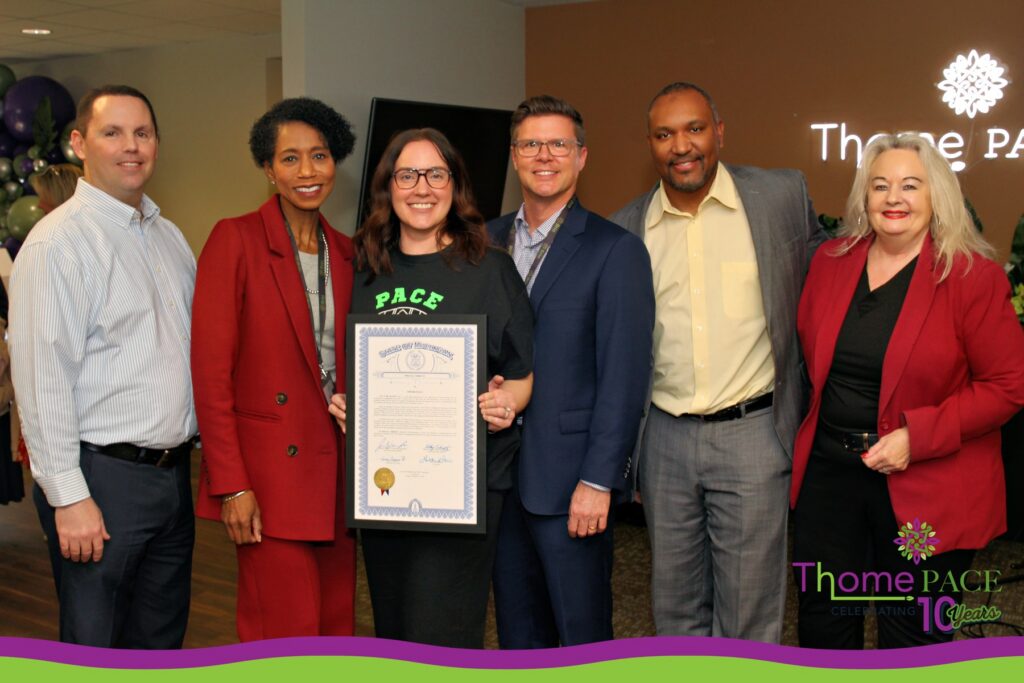
Thome PACE Celebrates 10th Anniversary of Service to Local Adults 55+

Thome PACE celebrated its 10th anniversary at a “March Madness”-themed Open House at its PACE Day Center in Jackson, Michigan on Thursday, March 12. Thome PACE, or Program of All-inclusive Care for the Elderly, is a partnership established in 2016 by Brio Living Services and WellWise Area Agency on Aging, serving older adults in Jackson, Lenawee, and Hillsdale counties. Since opening in 2016, Thome PACE has grown from 30 to 118 team members and has served more than 650 participants and their families.

Guests at this event included Michigan State Representatives Jimmie Wilson, Jr. (District 32, Ypsilanti), who also serves as a member of the UMRC-Porter Hills Foundation Board; and Kathy Schmaltz (District 46, Jackson) who chairs the House Families and Veterans Committee. Both representatives work closely with issues affecting older adults. Representative Schmaltz presented a State tribute to Robyn Abbey-Hardesty, Executive Director of Thome PACE, recognizing its ten years of service.

“We want to congratulate you on ten years,” said Rep. Schmaltz. “It’s so wonderful what you’ve done here at Thome PACE, how you’ve grown and, more importantly, how many people you have helped during this time. Just think, hundreds of our seniors! As our population ages, we will need even more people to help with that. We cannot congratulate you enough.”

“Over the past ten years, our team has accomplished some remarkable things,” said Abbey-Hardesty. “Since opening our doors, we have served more than 650 participants and provided thousands of medical visits, therapy sessions, meals, transportation rides, and home care services, helping our participants live with dignity, independence, and the support they deserve. Behind every number is a person, a story, and a family whose lives have been supported by our team. The work we do is deeply meaningful and it truly changes lives.”

PACE’s interdisciplinary team of professionals provides participants with a “one-stop” shop model for all their healthcare needs, including comprehensive medical, occupational and physical therapy, pharmacy needs, nutrition and meals, health education, social and recreational activities, behavioral health, home care, and door-to-door transportation. Most participants are dually eligible for Medicare and Medicaid and pay no additional fees for PACE services.

“PACE stands out as the most dignified and effective way to care for people who wish to remain living independently in their homes,” said Luke Reynolds, Chief of Home and Community-Based Services for Brio Living Services. “One month in PACE is only half the cost of a month in a nursing home. This reduces Medicaid expenditures AND taxpayer burden.”

Brio Living Services is one of Michigan’s leading providers of PACE services with five sites statewide, serving more than 1,300 older adults annually across 14 Michigan counties.

“I am proud to celebrate the first decade of Thome PACE and continually humbled by the unwavering commitment of our PACE team members across Brio Living Services,” said Reynolds. “Their dedication is making a meaningful difference in the lives of older adults and their families, and it’s inspiring to be part of this journey.”

For more information about Thome PACE, Brio Living Services, and its other PACE sites, please visit MyBrio.org.

This blog is sponsored by Plante Moran, a Live Life with Brio Bronze Sponsor! Your thoughtful gift brings joy to the older adults we serve and our team members.


How to Stay Active Indoors: Fitness for Home

Staying active doesn’t require a gym membership, perfect weather, or even leaving your home. In fact, some of the most effective ways to maintain strength, flexibility, balance, and even heart health can happen right in your living room! The key isn’t intensity—it’s consistency. Even short bursts of movement throughout the day make a meaningful difference.

At Brio Living Services, we believe movement is one of the most powerful tools for maintaining independence and aging well. In most of our communities, it can be very easy to find a group class or fitness equipment, but we know not everyone enjoys exercising in public or in groups of people. Whether you're navigating a busy season of life, colder months in Michigan, or simply prefer the comfort of home, here are practical and effective ways to stay active indoors.

Indoor Walking: Walking remains one of the safest and easiest forms of exercise and supports cardiovascular health while being gentle on joints.

Try this:

• Invest in a walking pad. Check out these example products.
• March in place during TV commercials.
• Set a 10-minute timer and keep moving.
• Add arm swings while walking to increase circulation.

Chair Fitness: A sturdy chair can be an excellent fitness tool! Chair exercises are ideal for those building strength, managing balance concerns, or recovering from illness or injury. Whether you’re seated, or standing behind it for balance assistance, a chair can be utilized for several different exercises.

Example exercises: See below and click here for visuals.

• Seated leg lifts
• Seated marching
• Arm circles
• Bicep curls using light hand weights or water bottles
• Stand behind chair: supported squats and leg kick-outs

Stretching: Stretching improves posture, reduces stiffness, and maintains range of motion. Just 5–10 minutes daily can reduce tension and improve comfort in everyday movement.

Focus on: Below examples and visuals here!

• Neck and shoulder rolls
• Seated hamstring stretches
• Gentle spinal twists

Balance Exercises: Balance training plays a critical role in maintaining independence and fall prevention. Even a few minutes daily can significantly improve stability and confidence.
Practice: See below examples and click here for visuals.

• Standing on one foot (hold a counter/chair if needed)
• Heel-to-toe walking
• Side leg raises
• Repeated sit-to-stand exercises

Making Movement a Daily Habit

At Brio Living Services, we encourage incorporating movement naturally into your day:

• Don’t forget your chores! Your household activities, like doing laundry and dishes, can make a big difference in your day. Try doing all of the folding while standing!
• Start small—5 to 10 minutes counts
• Pair exercise with music or a favorite show
• Track your progress in a journal or calendar to stay motivated and aware
• Consult your healthcare provider if you have medical concerns

Supporting Independence at Home

Brio Living Services is dedicated to helping individuals age confidently in the comfort of home – no matter where that is. Staying active indoors is one simple yet powerful way to protect your health and independence. Through innovative support services, personalized guidance, and a proactive approach to wellness, we empower our residents, participants, elders, and team members to live vibrantly—on their own terms.
If you’d like to learn more about how Brio supports healthy aging, we invite you to connect with our team and discover the possibilities.

This blog is sponsored by Kelli and Chris Smith, Live Life with Brio Bronze Sponsors! Your thoughtful gift brings joy to the older adults we serve and our team members.

Brio Living Services Celebrates National Milestone of 200 PACE Programs Nationwide

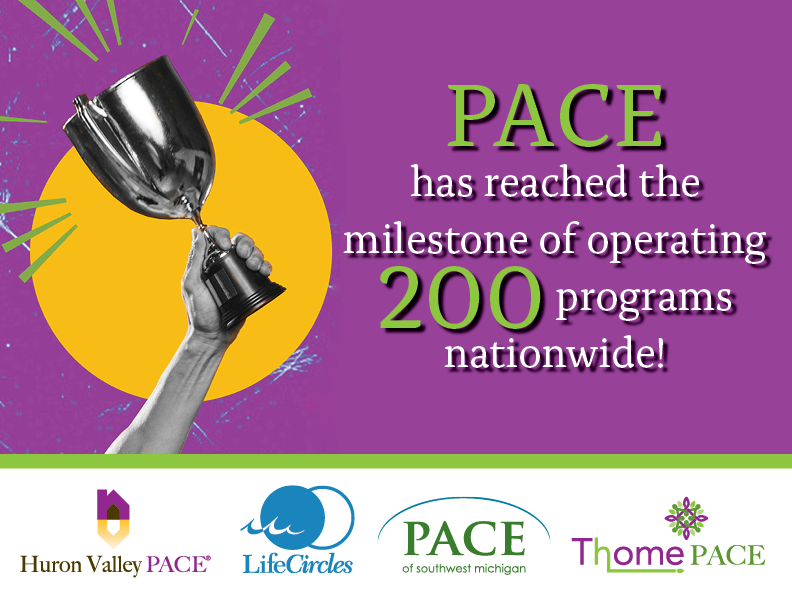
Brio Living Services is proud to share that PACE, or Program of All-Inclusive Care for the Elderly, has reached a significant milestone with the operation of 200 PACE programs across the United States, spanning 33 states and the District of Columbia, according to the National PACE Association.

PACE provides comprehensive medical and social services to more than 100,000 older adults, aged 55 and over, enabling them to live safely in their homes and communities rather than transitioning to nursing home care.

As operator and partner of five PACE sites across lower Michigan, Brio Living Services is honored to congratulate its friends at PACE Northeast Michigan in Alpena for opening the 200th PACE program in the nation and marking the 15th PACE program in the state.

“This is a tremendous milestone for our state and the entire PACE community,” said Luke Reynolds, Chief of Home and Community Based Services for Brio Living Services. “Since joining the PACE movement in 2012, it has been both an honor and a privilege to work alongside so many dedicated professionals who truly understand the profound impact this care model has on their communities. Witnessing the thoughtful, purposeful growth of PACE here in Michigan and across the country is incredibly rewarding.”

This community-based model of care is designed to serve older adults with complex health care needs who qualify for a nursing home-level of care but prefer to age in place. Introduced 55 years ago in San Francisco by On Lok, PACE offers seniors, their families, and caregivers an integrated, person-centered alternative to institutional care.

As a result, PACE has demonstrated a measurable impact on quality of life: 94% of PACE participants are able to continue living in their communities, supported by coordinated care that addresses medical, social, and functional needs, all at significant savings compared to the cost of nursing home care. “One month in PACE is only half the cost of a month in a nursing home,” said Reynolds. “This reduces Medicaid expenditures AND taxpayer burden.”

“PACE stands out as the most dignified and effective way to care for people who wish to remain living independently in their homes,” said Reynolds. “Personally and professionally, I am fulfilled knowing that the PACE teams I support within Brio Living Services are currently serving 1,300 older adults across our five Michigan PACE sites. These include LifeCircles PACE in Muskegon and Holland, Huron Valley PACE in Ypsilanti (with a second center under development in Monroe), Thome PACE in Jackson, and PACE of Southwest Michigan in St. Joseph—which is preparing to open a second center in Niles this spring.”

In recent years, PACE has tripled its rate of growth, coinciding with a pivotal moment for the nation’s healthcare system. By 2030, all Baby Boomers will be age 65 or older, and by 2034, adults over 65 will outnumber children for the first time in U.S. history. “This is something we are already experiencing in the State of Michigan,” said Reynolds.

This historic demographic shift brings urgent challenges for older adults and their families, including access to affordable housing, caregiver support, workforce shortages, long-term care financing, and the integration of technology to improve safety and independence. PACE directly addresses these challenges by offering a sustainable, outcomes-driven model of care for older adults with complex needs.

“I am continually humbled by the unwavering commitment of our PACE team members,” said Reynolds. “Every day, they support older adults’ desire to stay in their homes, while diligently mitigating and preventing risks such as social isolation, medication mismanagement, fragmented care, falls, mental and cognitive changes, and caregiver burnout. Their dedication is making a meaningful difference in the lives of older adults and their families, and it’s inspiring to be part of this journey.”

Reynolds added, “Thank you to everyone who has contributed to this milestone. The future of PACE is bright, and I am excited to see how we will continue expanding and enriching communities throughout Michigan and beyond.”

For more information about Brio Living Services and its PACE sites, please visit MyBrio.org. To learn more about PACE and the National PACE Association, visit npaonline.org. To find a local PACE program, please visit npaonline.org/find-a-pace-program.

This blog is sponsored by Jim and Marie Preston, Live Life with Brio Bronze Sponsors! Your thoughtful gift brings joy to the older adults we serve and our team members.
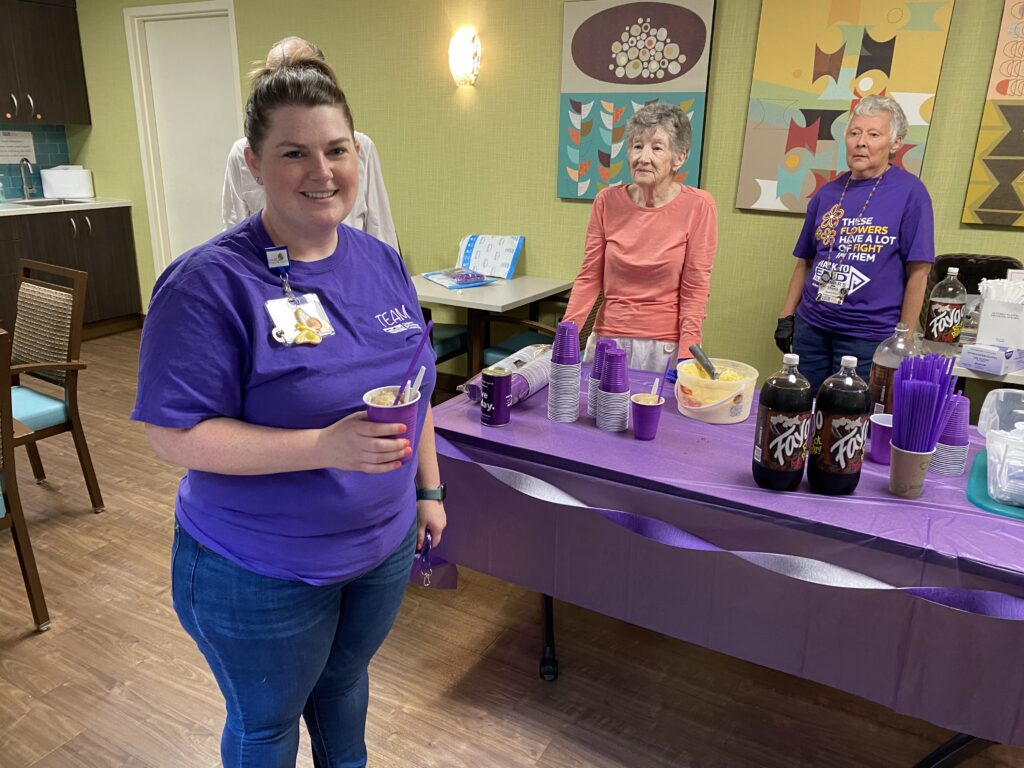
February is National Recreation Therapy Month

February is National Recreation Therapy Month, and we are proud to recognize our Recreational Therapists across Brio Living Services and all the work they do to ensure the older adults we serve age vibrantly.

Recreational Therapy is a vital part of our PACE (Program of All-Inclusive Care for the Elderly) programs, which helps nursing home–eligible adults aged 55+ continue living independently in the homes and communities they love. As part of the PACE Interdisciplinary Team, Recreational Therapists help the older adults we serve to stay active, engaged, and connected.

As we get older and transition into retirement, we often find ourselves with more free time to pursue activities, but we may also encounter age-related barriers to participating, whether that’s loss of dexterity or mobility, changes in cognition, or increased social isolation. Recreation Therapy works with older adults to find alternative ways to stay involved, whether that means learning new techniques to remember how to complete a task, discovering a different method for threading a sewing needle, or using expressive arts as an emotional outlet that promotes connection and relaxation in a way that doesn’t feel like ‘therapy.’

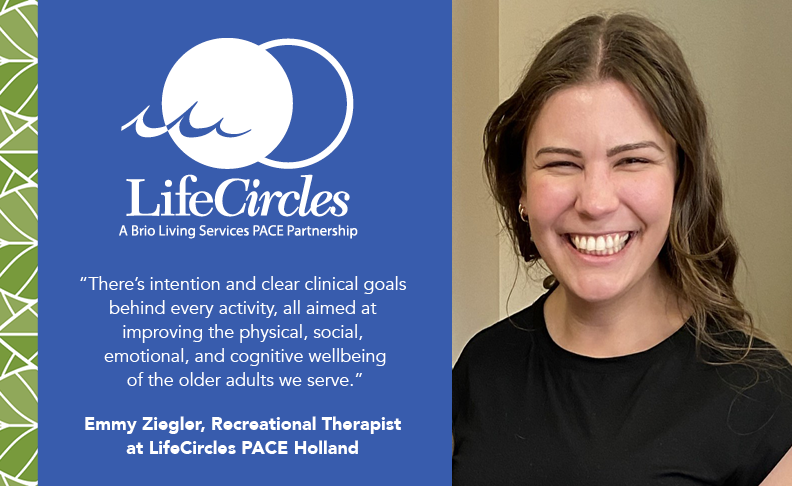
A common misconception about Recreational Therapy is that it’s simply “fun and games” rather than an evidence based therapeutic intervention. When asked how she would respond, Emmy Ziegler, Recreational Therapist at LifeCircles PACE in Holland, explains that while keeping interventions enjoyable and aligned with each participant’s interests is important for engagement, it’s only one part of what Recreation Therapists do. “There’s intention and clear clinical goals behind every activity, all aimed at improving the physical, social, emotional, and cognitive wellbeing of the older adults we serve.”

She adds that RTs work closely with other PACE disciplines, like physical and occupational therapy, using creative problem solving to help participants integrate what they’re working on in therapy into their daily lives in practical, consistent ways, supporting them in finding and continuing activities they enjoy and that bring enrichment to their lives.

“It’s been really eye opening to see just how much change small things can invoke,” says Emmy. She recalled a story about a participant who kept scheduling and canceling surgeries because her anxiety was so overwhelming, exacerbated by a lack of support system, stable housing, and consistency in her life. After trying several approaches, they introduced her to a robotic cat companion. “To our pleasant surprise, she ended up loving it. She named it, cared for it, and thought of it as the one stable thing she could count on.”

Although it wasn’t a complete solution to the challenges she was facing, the robotic cat gave her a renewed sense of responsibility and purpose. It motivated her to start doing what was best for herself, including finally going through with the surgery she had been putting off for so long. The participant told staff, “I know this will be here when I get back. It’s something stable, something I can hold onto.”
“From there,” Emmy says, “we also started to see her housing placement stabilize, as having a companion to confide in led to fewer complaints to our partnering facility.”

This shift highlights how a small intervention or simple activity can ripple outward, creating meaningful impact across many areas of a participant’s life. “This participant was then able to begin meeting for coping skills sessions, using her cat as an emotional support throughout both the educational and behavioral health sessions.”

To learn more about PACE programs at Brio Living Services and the interdisciplinary team who cares for each participant, please visit https://mybrio.org/medicare-pace-program-michigan/.

This blog is sponsored by Barb and Tom Jackoboice, Live Life with Brio Bronze Sponsors! Your thoughtful gift brings joy to the older adults we serve and our team members.



Sleep Tips for Older Adults: Creating a Restful Home Environment

From Brio Living Services

A good night’s sleep is essential for overall health and well-being at any age—but as we get older, it can become more difficult to fall asleep and stay asleep. Changes in sleep patterns are a natural part of aging, but there are ways to create a home environment that supports deeper, more restorative rest.

At Brio Living Services, we understand how vital quality sleep is to maintaining independence, mental clarity, and emotional balance. Below are some simple, effective tips to help older adults create a space that encourages better sleep.

1. Set a Relaxing Evening Routine

Establishing a consistent bedtime routine signals your body that it’s time to wind down. Try relaxing activities such as reading, listening to calming music, or practicing gentle stretching before bed. Avoid screens and bright lights in the hour leading up to bedtime, as they can interfere with your body’s natural production of melatonin.

2. Optimize Bedroom Lighting

The right lighting can make a big difference. Use soft, warm bulbs in bedside lamps and consider blackout curtains to block outside light. For safety, install low-level night lights in hallways or bathrooms to make nighttime movement easier without disrupting sleep.

3. Keep the Room Cool and Comfortable

A slightly cooler room—around 65–68°F—is ideal for sleeping. Lightweight bedding made from breathable fabrics, such as cotton or bamboo, can help regulate body temperature throughout the night.

4. Choose the Right Mattress and Pillows

Comfort matters. A supportive mattress that reduces pressure points can ease joint discomfort and improve sleep quality. Pillows should properly support your head and neck, and specialty pillows can provide added comfort for those with back, hip, or shoulder pain.

5. Limit Noise and Distractions

Unwanted noise can easily disturb sleep. Consider a white noise machine, fan, or soft background sound to mask disruptions. If you share your home with others, setting quiet hours can also help maintain a peaceful nighttime environment.

6. Encourage Natural Light During the Day

Exposure to natural light helps regulate your body’s internal clock, improving your sleep-wake cycle. Open curtains during the day, take short walks outside, or sit near a window to soak up some daylight.

7. Be Mindful of Caffeine and Late-Night Snacks

Try to avoid caffeine, alcohol, and large meals close to bedtime. If you get hungry before bed, opt for a light snack such as yogurt, fruit, or whole-grain toast.

8. Address Sleep Challenges Early

If you consistently have trouble sleeping, it’s important to talk with your healthcare provider. Sometimes, sleep issues may be linked to medications or underlying health conditions that can be addressed with professional guidance.

Better Sleep, Better Living

Creating a calm, comfortable sleep environment doesn’t just help you rest better—it also supports your physical and emotional well-being. Small adjustments to lighting, temperature, and routine can make a big difference in how you feel each day.

At Brio Living Services, we’re here to help older adults live safely and comfortably in the place they call home—day and night. Whether that’s in your own home, or one of our communities, reach out today to learn more about our locations and services!

This blog is sponsored by Russ and Susan Ives, Live Life with Brio Bronze Sponsors! Your thoughtful gift brings joy to the older adults we serve and our team members.
UMRC-Porter Hills Foundation

East: 734.433.1000 ext. 7502
West: 616.577.2297

East: 805 W Middle Street, Chelsea, Michigan 48118
West: 1049 East Paris Avenue SE, Grand Rapids, MI 49546

  • Home
  • News and Events
  • Donate Now
  • Contact Us
  • Family and Resident Portal
This field is for validation purposes and should be left unchanged.
First Name(Required)
Last Name(Required)
I would like
Write comments, questions or RSVP for an event here. If you would like to receive a brochure by mail, please include your mailing address.
Programmatically added field. This field was added to support atribution. DO NOT DELETE
A colorful campaign banner promoting support for UMRC-Porter Hills Foundation, aiming for $28 million for vibrant aging.